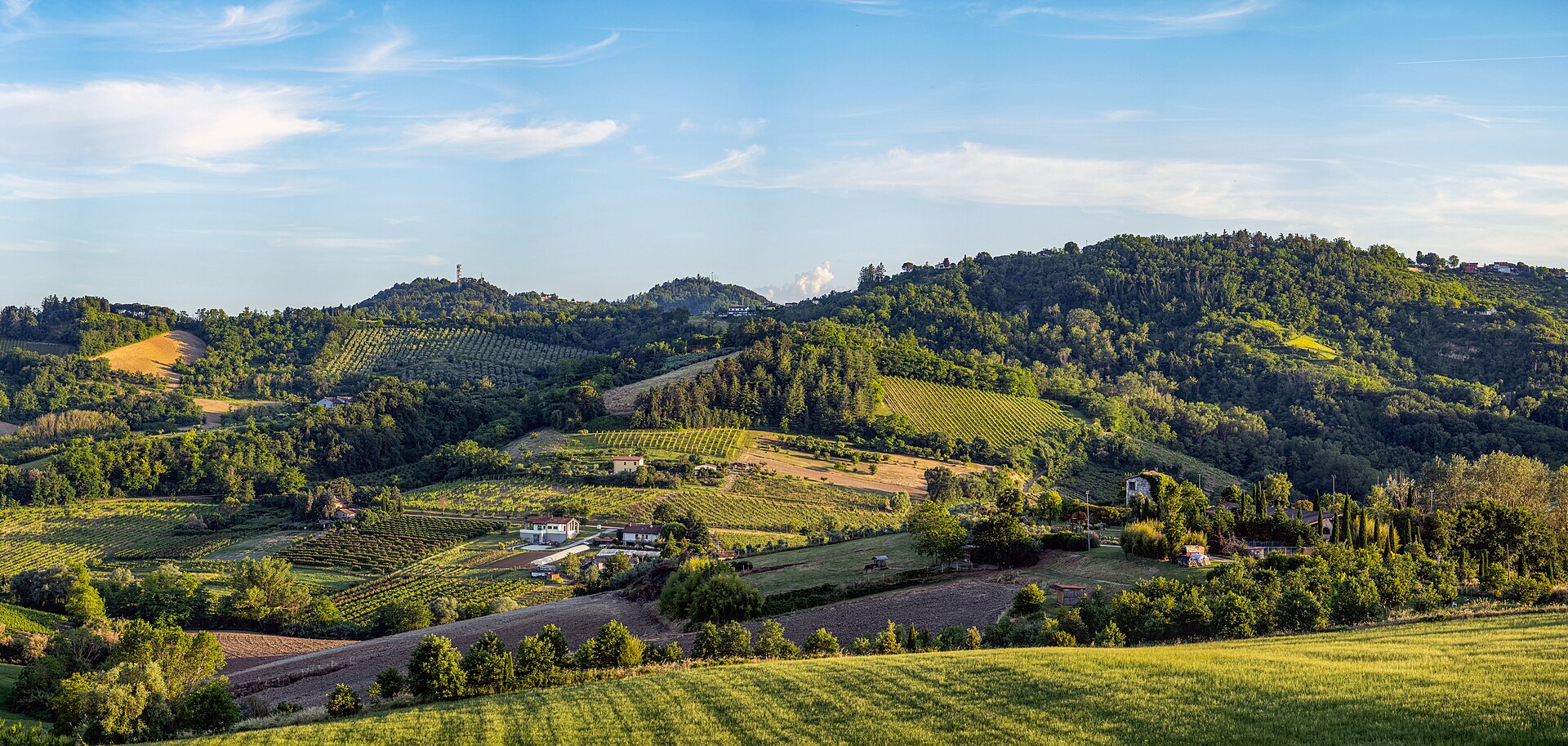
Perché le pendenze della valle sono importanti?
A course set on the floor of a river valley behaves like a bowl rather than a plateau. The surrounding hills channel water, wind and, inevitably, the way the green surface drains. On a sunny afternoon the grass near the river may be softer, while the higher‑lying sections stay firmer. That contrast creates a natural slope toward the water, often invisible to the casual eye but decisive for a putt that rolls five metres.
Come influisce il fiume sul break?
The river that threads through Valmarecchia does more than provide a scenic backdrop. Its proximity affects the micro‑climate of the greens. Moisture from the water can linger longer on the side of a green that faces the river, especially after a light rain. The result is a subtle, often deceptive, break that pulls the ball toward the bank. Observing the colour of the grass – a slightly darker hue can indicate higher moisture – is a quick way to gauge where the ball will tend to drift.
Cosa può rivelare una sessione di pratica?
A single round of rehearsal is a small investment for a large return. During a practice round you can:
- Identify the dominant direction of slope – Walk the perimeter of each green and note the angle of the surface. The majority of valleys will have a gentle tilt toward the river, but local undulations may reverse that trend on a few holes.
- Feel the speed variations – Place a ball on the green and roll it gently. Notice whether it accelerates quickly on the side that feels drier, or lingers on the softer side.
- Mark visual cues – Look for changes in grass texture, colour or the presence of a faint line where the mowing pattern shifts. Those cues often line up with the underlying slope.
- Test different lengths – A short putt from the centre may behave differently than one from the fringe. Replicating the distance you expect to face in competition helps calibrate your feel.
- Observe wind patterns – Even on a valley floor, wind can funnel through the surrounding hills. A light breeze across the green can add a fraction of a foot to the break, especially on the side that faces the open valley.
By noting these details, you create a mental map that is far more reliable than a generic "read the green" approach.
Quali indizi visivi sono più affidabili?
On a valley‑floor course the usual visual markers – such as a pronounced ridge or a deep depression – may be muted. Instead, rely on:
- Grass colour: Darker patches often signal higher moisture, which slows the ball.
- Mowing lines: A shift in the direction of the cut can betray a subtle slope.
- Surface texture: A slightly rougher feel underfoot usually indicates a softer area.
- Shadow patterns: Early morning or late afternoon shadows can reveal the direction of the slope, but remember they shift with the sun.
These cues are not absolute; they gain meaning when cross‑checked with the feel of the surface during a practice round.
Come regolare la mira senza pensare troppo?
The temptation on a valley‑floor green is to over‑analyse every millimetre of break. A pragmatic approach is to adopt a two‑step routine:
- Establish the primary slope – Decide whether the green leans toward the river or away from it. This gives you a baseline direction for the break.
- Fine‑tune with a single visual cue – Choose the most prominent cue you identified – perhaps a darker patch of grass – and let that inform a modest adjustment to your aim.
Keeping the process simple reduces the risk of paralysis by analysis and allows the natural feel of the putt to take over.
Quando la conoscenza locale supera la tecnica generica?
Generic putting technique – a steady stroke, eyes over the ball, consistent tempo – remains the foundation. Yet on a valley‑floor course, the local topography can override textbook advice. A player who has walked the greens, felt the subtle shifts in firmness, and observed the river’s influence will often out‑output a newcomer who relies solely on textbook principles. In other words, the more you let the land speak, the less you have to guess.
Puoi fare affidamento sulla tecnologia?
Laser rangefinders and green‑reading apps provide distance, but they cannot convey the tactile nuances of a valley‑floor surface. They may alert you to a 12‑metre putt, but the direction of the break still depends on the grass’s moisture and the micro‑climate shaped by the river. Use technology as a supplement, not a substitute, for the on‑ground observations you gather during a practice round.
Qual è la conclusione finale?
Reading greens on a valley‑floor course is less about memorising a set of numbers and more about developing a dialogue with the land. The river’s pull, the subtle moisture gradients, and the surrounding hills all conspire to create breaks that are invisible until you walk the perimeter, feel the surface, and note the visual cues. A single practice round, spent attentively, equips you with the knowledge to translate those hidden slopes into confident strokes. In the end, the valley teaches the same lesson it has taught golfers for generations: the ground beneath your feet tells a story – listen, and your putt will follow.
Rimini Verucchio Golf Club sits in the heart of Valmarecchia, Emilia‑Romagna, where the river and the surrounding hills shape a unique putting experience. The advice above reflects the character of that landscape without relying on invented specifics.