Setting the Scene
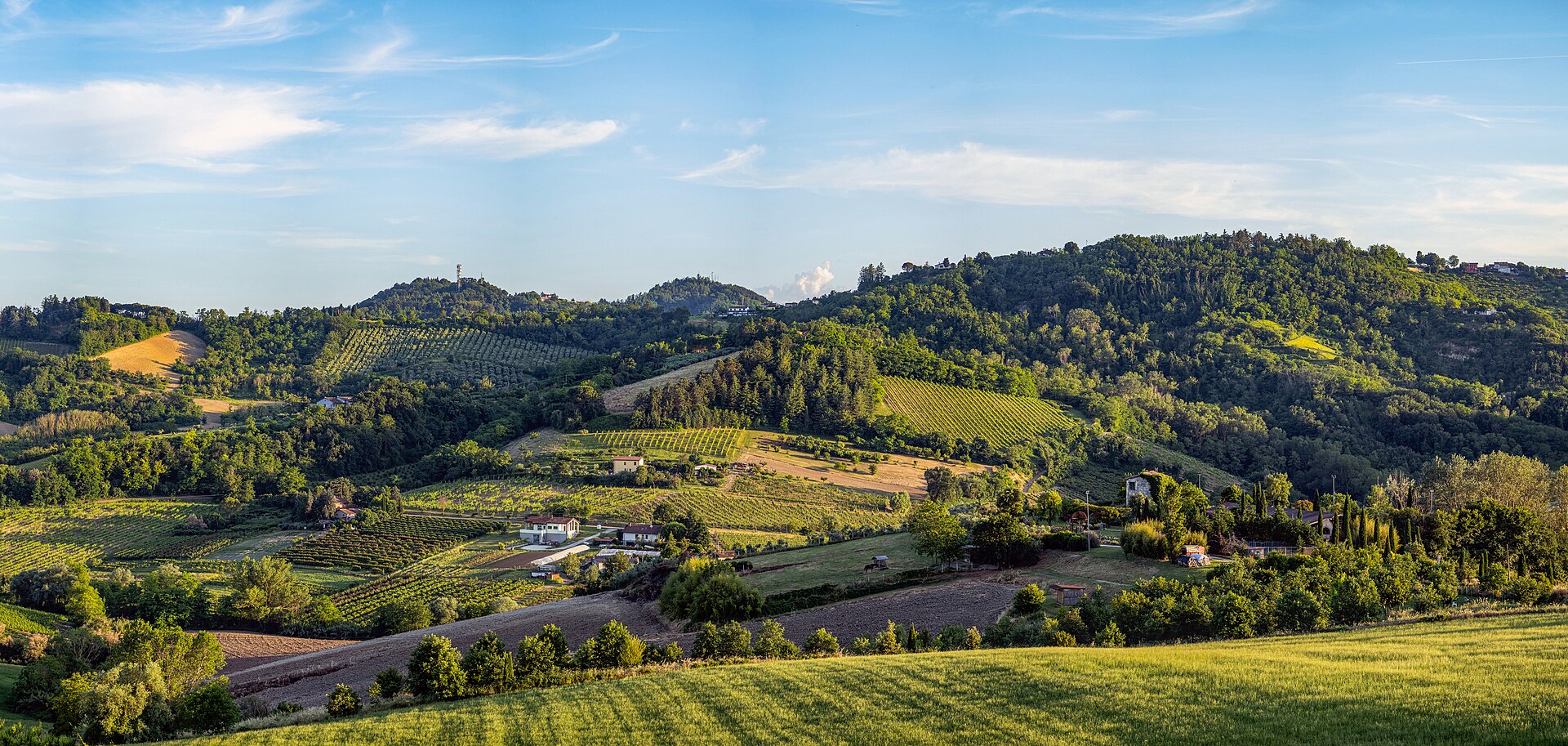
The first tee at Rimini Verucchio Golf Club greets players with a gentle sweep of the Valmarecchia valley, the Marecchia river glinting just beyond the fairway. The course, framed by the historic silhouettes of Verucchio, Torriana and San Leo, opens with a hole that is deliberately inviting yet subtly demanding. It is designed to test a golfer’s ability to establish rhythm, respect the natural contours and avoid the temptation to rush the start of a round.
Layout Overview
Hole 1 is a short to medium‑length par‑4 that runs roughly parallel to the river for the first half of its length. The tee box sits on a modest rise, offering a clear view of the fairway and the distant hills. The fairway itself is gently sloping, bordered on the right by a line of mature poplars that hug the riverbank. On the left, a low rise of earthwork creates a natural bunker‑like contour that can catch wayward drives.
The green is set on a slightly elevated plateau, protected by a shallow swale that runs across its front. From the tee, the green appears wide but the effective landing area narrows as the approach shot draws nearer, especially when the pin is placed on the front‑left portion of the putting surface.
Typical Pin Positions
The club’s pin‑setter favours three main locations on the green, each influencing the choice of club off the tee and the approach strategy:
- Front‑Left (most common) – The flag sits near the edge of the swale, demanding a precise iron or hybrid shot that lands short of the water‑run‑off area. A miss left or right can leave a challenging putt.
- Centre‑Back – This placement rewards a longer approach, often a mid‑iron, and allows players to aim slightly higher on the green to avoid the front swale.
- Right‑Side – The flag is positioned near the poplar line, encouraging a drive that favours the left side of the fairway to open a clear angle for the approach.
Understanding these positions helps a player decide whether to aim for a safe, shorter drive or to take a more aggressive line that could shorten the second shot.
Strategic Approach from the Tee
1. Choose the Right Line
The most reliable line is a slight draw for right‑handed players, guiding the ball away from the poplar line and the river’s edge. This trajectory also positions the ball on the left side of the fairway, where the ground is firmer and the subsequent approach angle to the green is more open. Left‑handed players may prefer a gentle fade for the same reason.
2. Club Selection
Because the hole is not length‑driven, most players find a 3‑iron or a hybrid sufficient to reach the centre of the fairway. The key is to maintain a smooth tempo; a rushed swing can easily send the ball into the swale on the right or the shallow bunker‑like rise on the left.
3. Managing the Rough
The rough bordering the fairway is a light, well‑maintained fescue that can be forgiving if the ball lands a few metres off the centre. However, the area near the river can become soggy after rain, so a ball landing there may sit down and affect the next shot.
The Approach Shot
The second shot is where the pin position dictates the club choice. When the flag is on the front‑left, a high‑lofted iron that lands softly is advisable; the swale will otherwise roll the ball away from the hole. For centre‑back pins, a mid‑iron with a slightly lower trajectory can carry the ball onto the green without excessive spin. If the pin is on the right‑side, a controlled fade that lands just left of the flag gives a clear line for a short putt.
A useful mental cue is to visualise the ball landing on the green’s centre and then “drawing” the ball towards the flag with the natural roll of the green. This reduces the temptation to over‑aim for the flag and encourages a more conservative, higher‑percentage play.
Mental Preparation and Mindset
Opening holes set the tone for the entire round. The aim at Hole 1 is not to chase a birdie at all costs but to establish a rhythm that can be sustained. Players should:
- Take a few practice swings to feel the wind, which can be variable in the valley, especially in the early morning.
- Visualise the entire shot sequence, from tee to green, rather than focusing on each component in isolation.
- Accept a reasonable miss – a drive that lands a few metres short of the ideal line is still a solid start, provided the approach remains manageable.
By treating the hole as a warm‑up that still demands respect, golfers can avoid the common pitfall of trying to “make a statement” with an aggressive opening drive.
Common Mistakes to Avoid
- Over‑hitting the tee shot – Trying to reach the green in two can lead to a mis‑hit that ends up in the river’s edge or the rough, making the second shot considerably harder.
- Ignoring the wind – The valley can channel breezes that either lift the ball or push it laterally. A slight adjustment in aim, even a few degrees, can keep the ball on the intended line.
- Aiming directly at the flag – Especially when the pin is on the front‑left, this can result in a ball that lands on the swale and rolls away. Aim for the centre of the green and let the natural roll bring the ball towards the hole.
After the First Hole
A well‑executed opening hole often yields a par with a manageable putt, setting a calm, confident tone for the remainder of the round. Players who finish the hole with a clear sense of their swing rhythm, wind assessment and green‑reading are better positioned to tackle the more demanding sections of the course, where the river begins to shape the layout more dramatically and the Three Towers of San Marino become visible on the horizon.
Summary
Hole 1 at Rimini Verucchio Golf Club is a study in balance – between ambition and prudence, between the natural beauty of the Marecchia river and the technical demands of a championship layout. By selecting a safe line off the tee, respecting typical pin placements and maintaining a composed mindset, golfers can start their round with confidence. The opening hole may not promise a spectacular score, but it offers the perfect platform to settle into the rhythm that will carry a player through the valley’s undulating challenges and the spectacular closing holes that overlook San Marino’s iconic towers.