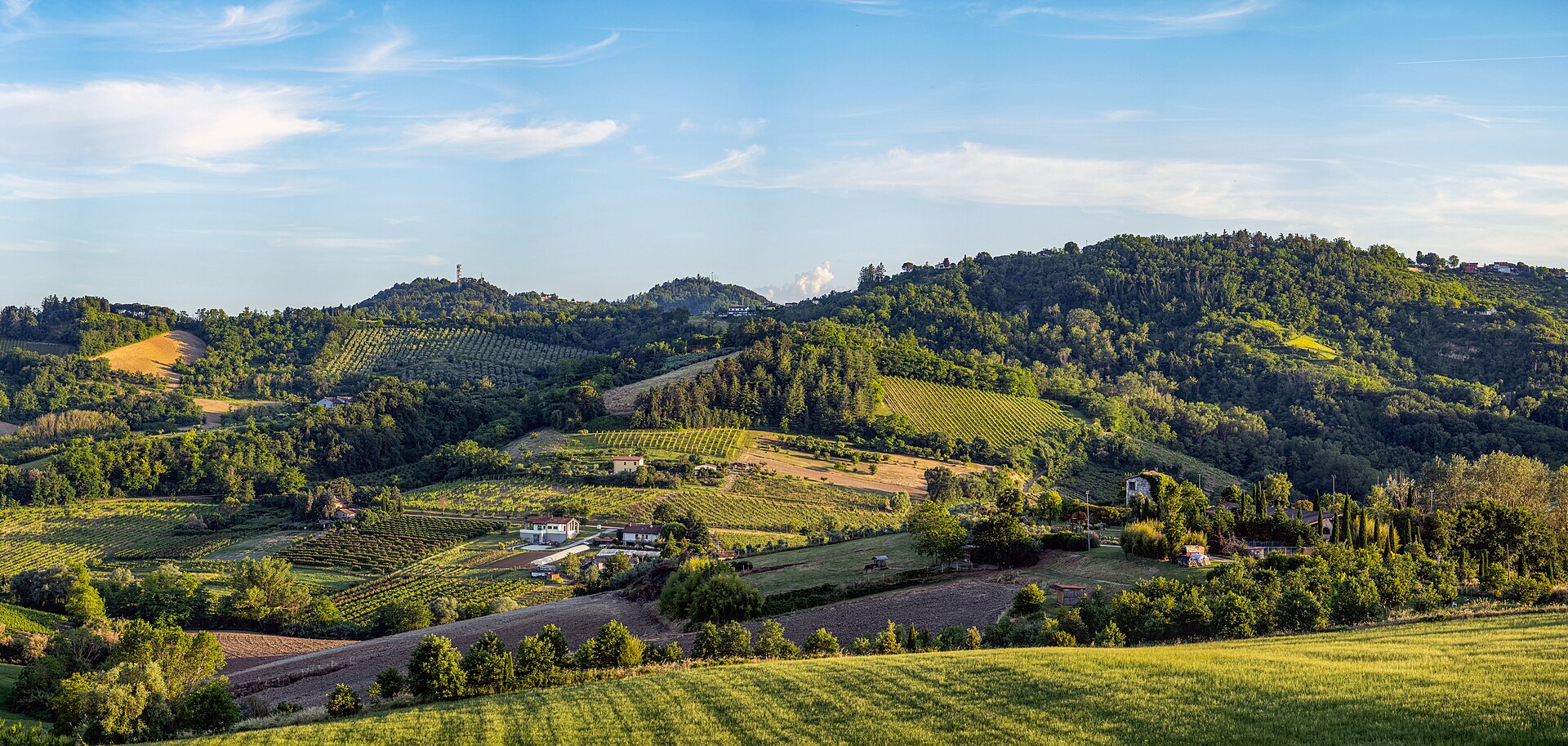
The valley floor beside the Marecchia river is not a backdrop; it is the architect of the round. From the first tee, the gentle undulations of the floodplain guide the ball, the eye, and the mind toward a finish that looks up at the iconic Three Towers of San Marino. In a region more often associated with the flat expanses of the Adriatic coast, the club’s routing offers a quiet counter‑point to the more dramatic narratives of links or parkland courses.
How does the valley floor influence the round?
The Valmarecchia valley is a product of centuries of fluvial activity. The Marecchia river, modest in size but persistent, has laid down a ribbon of alluvial soil that is both forgiving and deceptive. The ground is typically loamy, draining quickly after rain yet retaining enough moisture to keep the fairways supple. This texture means that the ball can sit on a surface that feels almost level, while subtle rises and troughs—remnants of ancient riverbanks—introduce a hidden contour.
Because the valley floor is broadly flat, the club has been able to stretch the routing longitudinally rather than laterally. The result is a round that feels like a journey along a river, with each hole acting as a waypoint rather than a stand‑alone challenge. The natural flow encourages a rhythm: players tend to adopt a steady tempo, matching the river’s measured pace. The occasional wind that sweeps up from the Apennines adds a variable that is felt more keenly on the exposed sections near the river’s edge, reminding golfers that the valley is not a sealed bowl.
Why do the closing holes look toward San Marino?
The Three Towers—Guaita, Cesta and Montale—rise above the Republic of San Marino, a stone‑capped silhouette that dominates the horizon to the south‑west. The club’s architects deliberately positioned the final three holes on a gentle rise that offers an unobstructed line of sight to these historic sentinels. The decision was less about visual drama than about creating a sense of progression. As the round advances, the terrain subtly lifts, and the view of the towers becomes clearer, signalling the approach to the finish.
The orientation also serves a practical purpose. By turning the closing holes away from the river and toward higher ground, the design reduces the risk of flooding on the most critical part of the round. Moreover, the elevated stance provides a natural windbreak; the towers themselves can channel breezes, creating a predictable pattern that seasoned players can exploit. The result is a finish that feels both anchored in place and elevated in perspective—a contrast to the often wind‑swept finales of true links courses.
What sets valley golf apart from links or parkland?
Valley golf occupies a middle ground that is easy to overlook. Links courses, perched on coastal dunes, thrive on firm, fast ground and relentless wind. Parkland courses, set among mature trees, rely on lush fairways and strategic bunker placement. The Valmarecchia valley, by contrast, offers a hybrid of openness and subtlety.
- Ground texture – The alluvial soil is softer than the sand‑laden links, yet less manicured than the tightly mown parkland fairways. This yields a ball‑roll that is responsive without being overly predictable.
- Wind behaviour – The valley channels wind in a way that is neither as constant as a seaside breeze nor as sheltered as a forested fairway. Players must read the wind on a case‑by‑case basis, often noticing its shift as they move from riverbank to ridge.
- Visual framing – The river provides a linear visual cue that links lack, while the distant towers give a focal point absent from most parkland layouts. This combination creates a sense of direction that is both literal and metaphorical.
- Strategic elevation – The gentle rise toward the closing holes introduces a modest altitude change, a feature rarely found on flat links but more subtle than the dramatic elevation swings of mountain parkland courses.
- Ecological rhythm – The valley’s flora is a mix of riparian reeds, low‑lying grasses, and occasional oak groves. This diversity supports a range of wildlife, offering a quieter, more natural ambience than the manicured perfection of many parkland venues.
These attributes mean that a round in the valley feels less like a battle against the elements and more like a dialogue with them. The river’s presence is constant but not domineering; the towers provide a destination rather than a distraction.
How should a visitor approach the round?
A sensible strategy begins with an appreciation of the valley’s continuity. Because the course follows the river’s path, the most logical way to play is to respect the natural flow. Early holes often reward a conservative line that stays within the river’s corridor, preserving the ball for the more exposed later stages. As the round progresses toward the elevated closing holes, players can afford to be more adventurous, taking advantage of the higher ground to attack pins that sit against the backdrop of the towers.
The wind, while variable, tends to settle in the late afternoon as the valley narrows. Observing the direction of the river’s surface can give clues about subtle breezes that may affect shot selection. A light breeze from the south‑west, for instance, will be more noticeable on the final three holes, where the towers can funnel it toward the fairway.
Finally, the mental shift from river‑bound to tower‑focused play is worth noting. The transition marks a change in perspective: from the grounded, almost tactile feel of the floodplain to the aspirational view of the historic towers. Embracing this shift can help a golfer maintain focus and avoid the temptation to over‑play the early part of the round.
Does valley golf suit every player?
Valley golf is not a one‑size‑fits‑all proposition, but its balanced character makes it accessible to a broad spectrum of golfers. Those who find links courses too unforgiving may appreciate the forgiving ground and the gentle undulations of the valley floor. Conversely, players who prefer the strategic density of parkland layouts may miss the tighter tree lines but will enjoy the open sightlines and the subtle challenge of reading the river’s edge.
In practice, the round rewards those who can adapt to changing conditions without relying on a single dominant factor. The valley’s modest elevation changes, the river’s occasional wind, and the visual cue of the Three Towers together create a nuanced test that is both reflective and engaging.
A final thought
The routing of Rimini Verucchio Golf Club is a study in restraint. By allowing the Marecchia river and the surrounding valley to dictate the flow, the designers have produced a round that feels inevitable yet surprising. The closing holes, set against the silhouette of San Marino’s Three Towers, provide a quiet climax that is as much about place as it is about play. For the traveller who seeks a round that is neither the raw exposure of a links nor the cloistered intimacy of a parkland, the valley offers a compelling middle path.
The observations above are based on the club’s publicly available routing information and the geography of the Valmarecchia valley. Specific hole measurements, tee placements, and course amenities have been omitted in accordance with the brief.