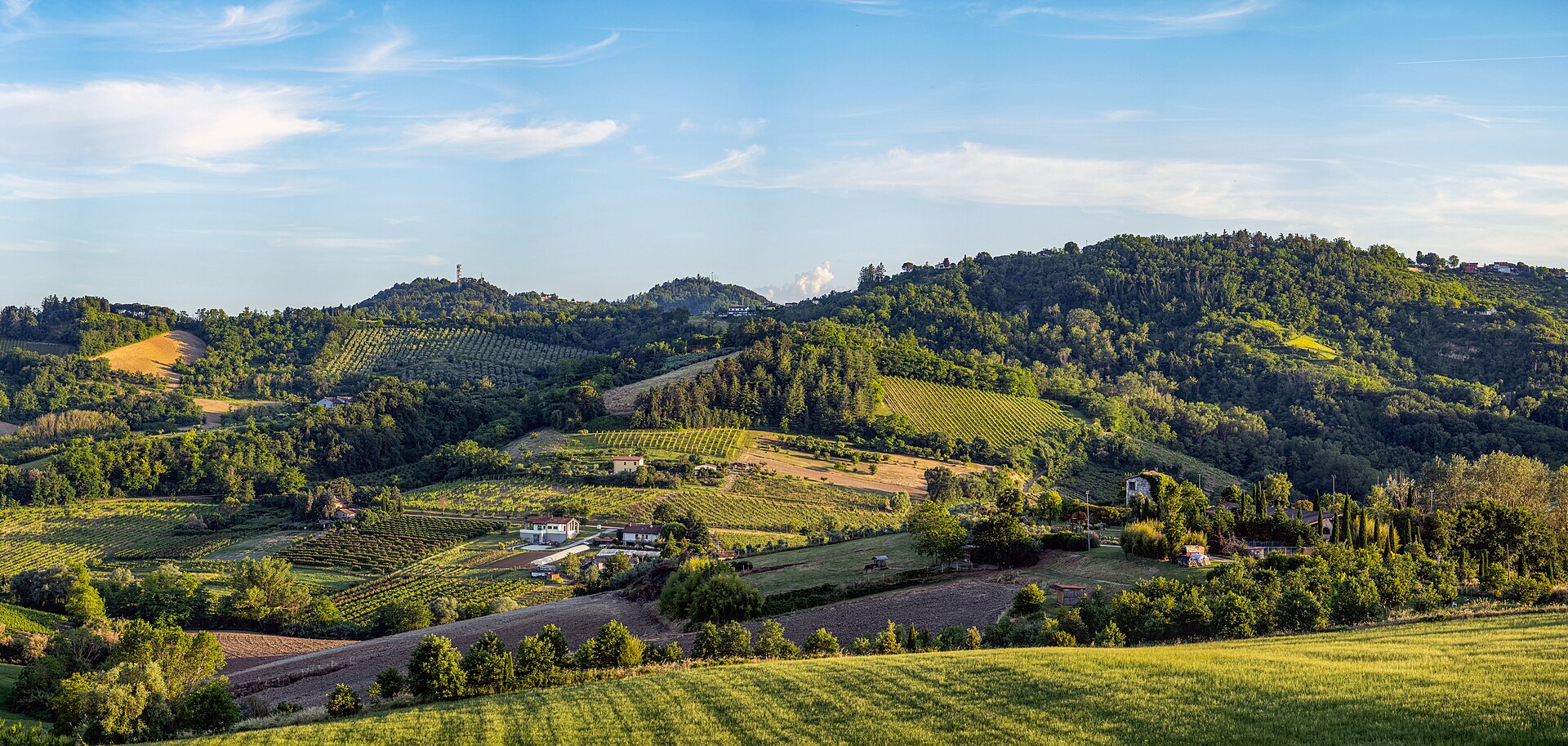
Which holes frame the towers at sunset?
The final trio of holes on the course runs parallel to the historic Three Towers that dominate the valley’s skyline. As the sun dips behind the Apennines, the towers catch the last amber light, turning the backdrop into a natural vignette. The most rewarding compositions arise when the fairway leads the eye directly toward the towers, allowing the silhouette of the green to sit against the glowing horizon. Positioning yourself on the tee of the first of these holes, you can capture the entire stretch – a sweeping view that includes the fairway, the distant water hazard, and the towers in the distance.
When is the light most favourable?
Sunset photography is a race against time. The golden hour at this latitude lasts roughly twenty minutes, but the most dramatic contrast appears in the final five minutes before the sun disappears. During this window the sky shifts from warm gold to a cooler, bruised violet, and the towers acquire a subtle rim of colour that separates them from the surrounding hills. Arriving early to set up a tripod and scout the exact spot where the sun aligns with the centre of the towers will save you from missing the fleeting moment.
Where should you stand for the cleanest composition?
A tight, numbered list of preferred positions helps keep the guide practical:
- Tee box of the first closing hole – offers a low‑angle view that captures the fairway’s curve and the towers in the far distance.
- Mid‑fairway bunker on the second hole – provides a higher perspective, framing the green against the towers while using the bunker’s sand as a natural foreground element.
- Putting green of the third hole – places the towers directly behind the flag, ideal for a classic silhouette with the flag’s colour contrasting the dusk sky.
Each spot benefits from a modest elevation change, which adds depth without requiring a drone. The key is to keep the horizon low in the frame, allowing the towers to dominate the upper third of the image.
How can you enhance the mood without artificial lighting?
The club’s layout already supplies natural drama. A few compositional tricks amplify the effect:
- Use a narrow aperture (f/11‑f/16) to ensure the foreground and the towers remain sharp, preserving the texture of the grass and the stonework alike.
- Employ a slow shutter speed (1/30‑1/60 s) if the wind is calm; a subtle motion blur in the distant foliage can suggest the evening’s stillness.
- Include a human element – a lone golfer or a caddie in the foreground adds scale and narrative, reminding the viewer of the course’s lived experience.
Avoid over‑processing; a restrained colour grade that respects the natural palette will keep the image timeless.
What pitfalls should you watch for?
Even the most picturesque setting can betray a photographer. The valley’s micro‑climate often brings a thin mist that rolls in just as the sun sets, obscuring the towers. Check the local forecast and, if possible, visit the holes on a clear evening to gauge typical conditions. Additionally, the course’s drainage system can leave a shallow pool of water on the fairway after rain; reflections can be beautiful but may also distract from the towers if they dominate the frame.
Why photograph these holes at all?
Beyond the aesthetic appeal, the three closing holes encapsulate the club’s relationship with its surroundings. The towers are a reminder of the region’s medieval heritage, while the course’s design respects the natural contours of the valley. Capturing this dialogue between sport and landscape produces images that feel less like promotional material and more like a quiet record of place.
How to make the most of a single round?
If you intend to photograph the trio in one outing, plan your tee times to coincide with the sunset window. Start on the first hole, take a few test shots, then move progressively forward as the light deepens. By the time you reach the third green, the sky will have transitioned to a deep indigo, offering a stark contrast to the illuminated towers. This sequential approach yields a series of images that together tell the story of the day’s end.
Final thoughts on the art of sunset golf photography
The three towers provide a reliable anchor for composition, but the true reward lies in the subtle variations each evening brings – a shift in cloud cover, a change in wind, a different hue in the fading light. Respect the rhythm of the course, allow the natural light to dictate your timing, and the resulting photographs will carry the quiet elegance that defines Rimini Verucchio Golf Club.
The guide assumes a basic familiarity with manual camera settings and a willingness to walk the fairways after a round. No additional equipment beyond a sturdy tripod and a standard telephoto lens is required.